A Guide to Sustainable Merino Wool Traceability
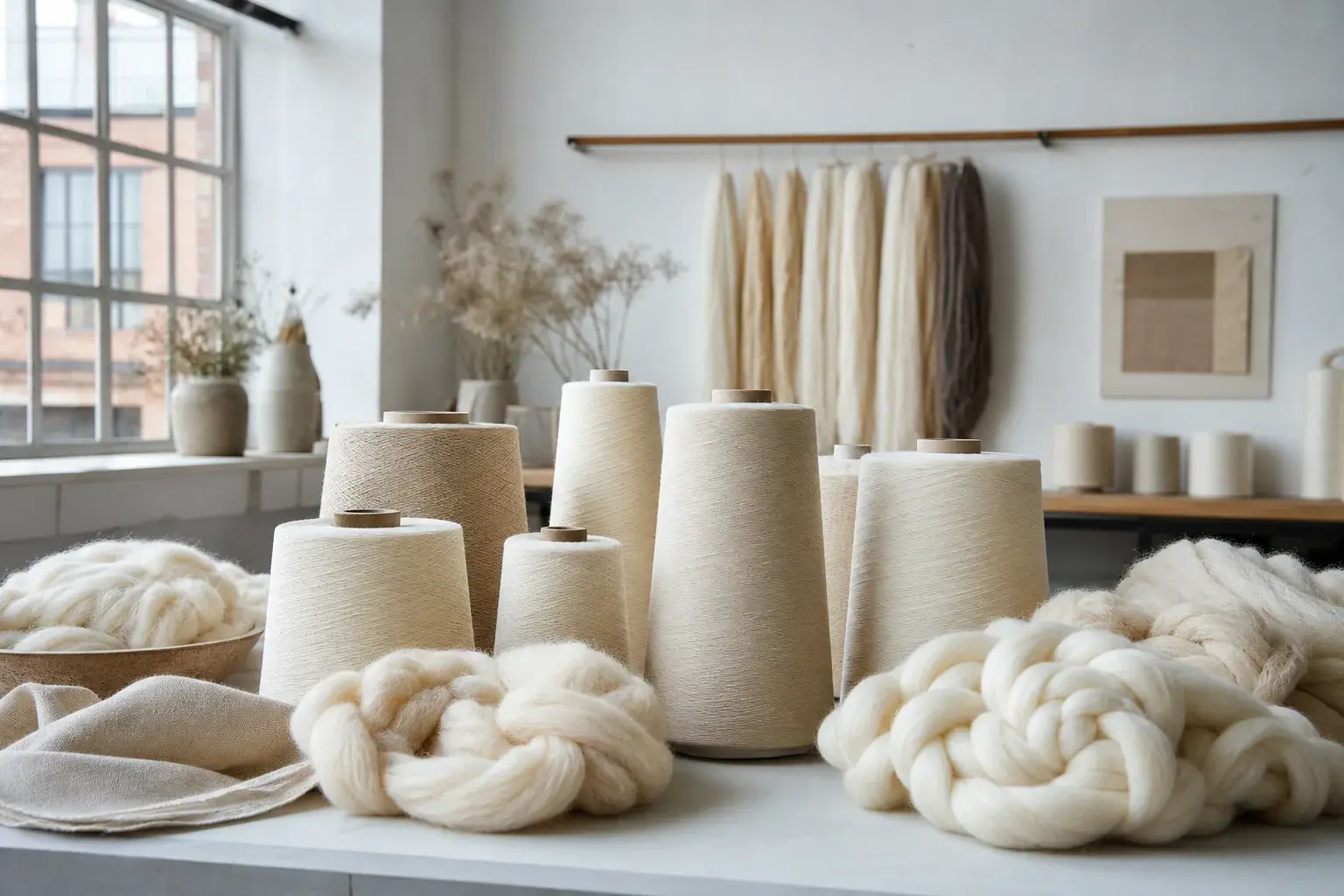
For modern DTC brands, sustainability is no longer a marketing buzzword—it's a baseline requirement. Consumers increasingly demand to know where their garments come from, how the animals were treated, and the environmental impact of the production process.
Why Traceability Matters
Traceability ensures that the merino wool you source meets strict ethical and environmental standards. It protects your brand reputation and builds trust with your customers. Without it, you risk being associated with practices like mulesing or environmental degradation.
Key Certifications to Look For
- Responsible Wool Standard (RWS): Ensures that wool comes from farms that have a progressive approach to managing their land, practice holistic respect for animal welfare of the sheep and respect the Five Freedoms of animal welfare.
- Woolmark: A globally recognized certification that guarantees fiber content and quality.
- OEKO-TEX Standard 100: Tests for harmful substances, ensuring the yarn is safe for human use.
- Global Recycled Standard (GRS): Used when the yarn includes recycled fibre. It covers recycled content and chain of custody for that yarn.
- Good Cashmere Standard (GCS) and Sustainable Fibre Alliance (SFA): Cashmere standards, requested when the programme uses cashmere.
Langfield's Commitment
Langfield sources fine merino from specialist mills. Origin may be Australia or New Zealand depending on the selected yarn. For that yarn we can request RWS, GRS and OEKO-TEX Standard 100 from the mill. Cashmere programmes can also be checked for GCS and SFA. Availability is confirmed before sampling. A transaction certificate, or yarn from a nominated certified lot, may involve a minimum and an added cost.