QC Process
Multi-stage inspection. AQL Level II sampling, major defects judged at AQL 2.5. Zero compromise on what reaches your customers.
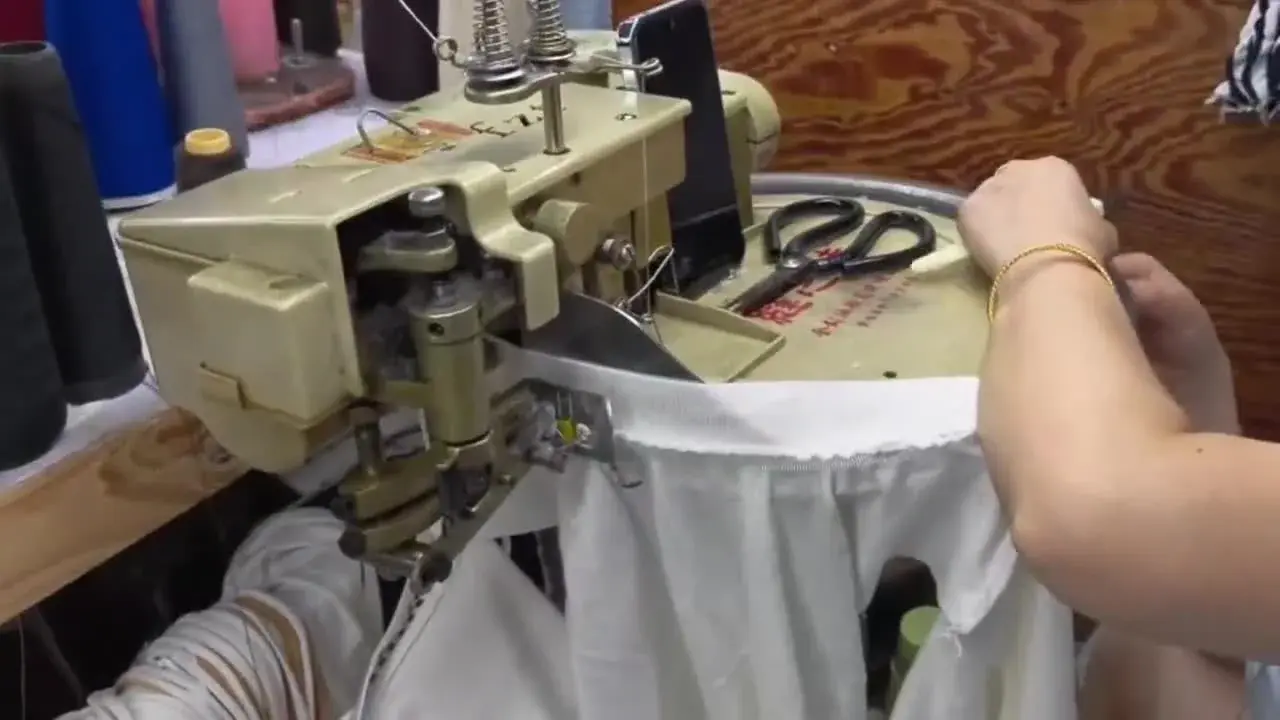
Linking on the production floor
Sleeve and collar linking — precision assembly before washing and final inspection.
Raw Material Inspection
Yarn fineness, count, and consistency verified at source before entering production.
Knitting Monitoring
Continuous oversight during knitting to maintain gauge and tension consistency.
Finishing Inspection
Color fastness, shrinkage, and hand-feel tested after washing and finishing.
Finished Product Sampling
AQL Level II random sampling; major defects judged at AQL 2.5 across size, color, and style variations.
Final Shipment Inspection
Packaging, labeling and quantity are checked before each shipment leaves the production network.
Lot rejected at inspection? Full batch rework — we pay
AQL Level II sampling, major defects at AQL 2.5. If the lot fails inspection, we rework the entire batch at our cost and do not ship until it passes. This is a lot-level rejection — not triggered by a few isolated defective units in an otherwise passing batch.
Verified defective units? 200% replenishment or refund
When a mutually confirmed report identifies specific defective units due to our production or materials: continuing partners receive 200% of those units on the next order; one-time orders receive a refund for the defective quantity only.
Testing and certification documents
For the selected yarn, documents we can request from the mill include RWS (Responsible Wool Standard), GRS (Global Recycled Standard) and OEKO-TEX Standard 100. Cashmere programmes can also be checked for GCS (Good Cashmere Standard) and SFA (Sustainable Fibre Alliance). Name the document before sampling and we will confirm it with the mill. The document covers that yarn lot. A transaction certificate (TC), or yarn from a nominated certified lot, is quoted separately and may add cost.
Order-specific testing
Independent testing or inspection can be arranged on request after the required standard and cost are agreed.
Yarn documentation
RWS, GRS and OEKO-TEX Standard 100 for the selected merino yarn. GCS and SFA when the programme uses cashmere. Confirmed with the mill before sampling. A transaction certificate or a nominated certified lot is quoted separately.
Frequently asked
What AQL standard do you apply?
We apply AQL Level II sampling on every production batch, with major defects judged at AQL 2.5. Critical, major, and minor defects are classified separately, and results are available on request.
What happens if a lot fails inspection?
If AQL Level II sampling rejects the lot (major defects exceed AQL 2.5), we rework the entire batch at our cost and do not ship until it passes. This is a batch-level decision — a few defective units in an otherwise passing lot does not trigger a full-batch rework.
What about individual defective units?
When a mutually confirmed report identifies specific defective units due to our production or materials, continuing partners receive 200% of those units on the next order. One-time orders receive a refund for the defective quantity only.
Which certifications can you provide?
For the selected yarn, documents we can request from the mill include RWS (Responsible Wool Standard), GRS (Global Recycled Standard) and OEKO-TEX Standard 100. Cashmere programmes can also be checked for GCS (Good Cashmere Standard) and SFA (Sustainable Fibre Alliance). Name the document before sampling and we will confirm it with the mill. The document covers that yarn lot. A transaction certificate (TC), or yarn from a nominated certified lot, is quoted separately and may add cost.